Cancer is a complex disease, but the science behind it is easier to understand than it seems. Here’s a clear, simple look at what cancer is and how doctors typically treat it.
There are hundreds of different cancer types each affecting different parts of the body, for example, breast cancer (breast tissue) and lung cancer (lung tissue). This post covers the very basics: What cancer is, why it develops and the main treatment options used today.
What is Cancer?
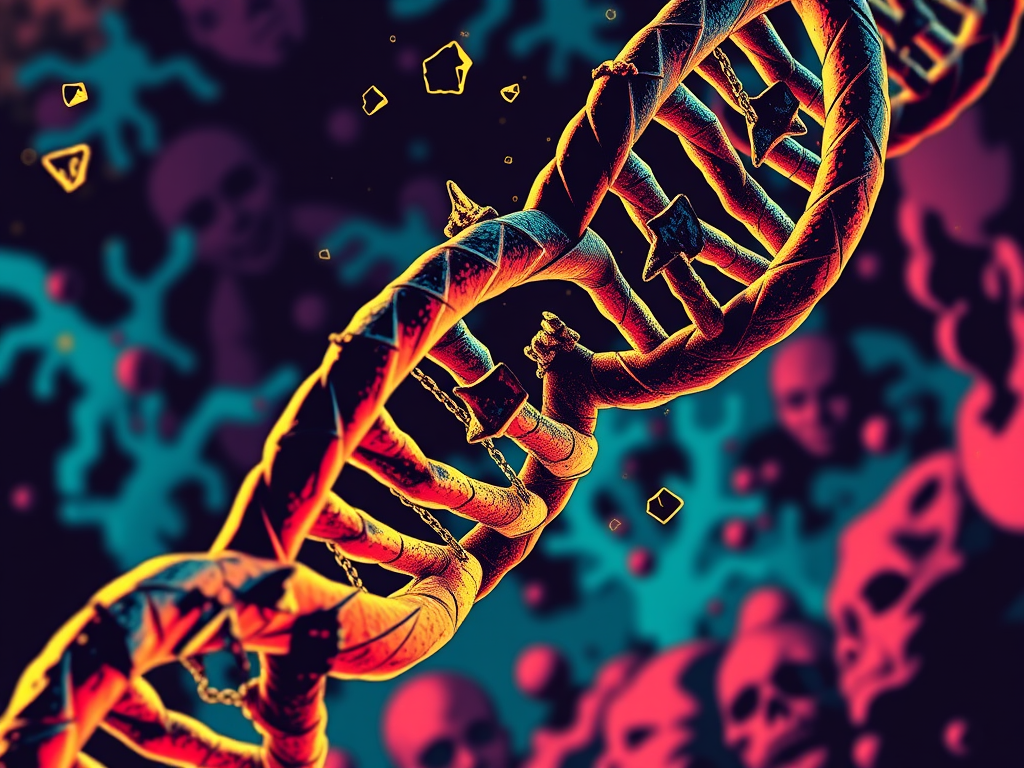
Cancer is a disease caused by uncontrolled cell growth, known as proliferation. When cells grow and divide without stopping, they eventually form solid tumours. This uncontrolled growth often begins with DNA damage, although many different factors can contribute. Cancer can originate in almost any tissue and may spread to other parts of the body. This process is called metastasis.
Common Treatment Options
The main treatment options available for most cancers include chemotherapies, radiotherapies and surgery.
- Chemotherapy and radiotherapy kill cancer cells using medication or radiation. They can be effective because cancer cells are unable to tolerate high doses of toxic chemotherapy drugs or radiation
- However, these treatments can sometimes miss their target and affect healthy cells, which leads to unwanted side effects such as hair loss, weakness and nausea. The exact side effect profile varies depending on the cancer type, the treatment used and the individual patient
- Surgery aims to remove the tumour or affected tissue entirely. This is sometimes highly effective, sometimes not, depending on varying factors such as the cancer type, it’s size and how early it is detected
The Bottom Line:
Chemotherapy and radiotherapy are not targeted treatments, meaning their off-target effects often makes makes people with cancer feel very very sick during treatment.
There are many targeted treatments approved/being tested across different cancer types. These are designed to attack specific proteins or components within tumour cells that aid in their cell growth. One key goal in cancer research is to develop treatments – ideally easy-to-take tablets – that precisely target cancer cells while limiting unwanted side effects.
Thanks for reading! I hope you found this overview helpful.
Click here to read a quick summary about all things Clinical Trials.
References
- National Cancer Institute. Available at: https://www.cancer.gov/about-cancer/treatment/types. Accessed 2025.
- American Cancer Society. Available at: https://www.cancer.org/treatment/treatments-and-side-effects/treatment-types/chemotherapy/chemotherapy-side-effects.html. Accessed 2025.


 Scientist Soup
Leave a reply to avingouveia1998 Cancel reply